

Nothing about Washington, NC, really feels broken; there are complaints about some taxes, the music played downtown, and some Bed & Breakfast issues…
But overall, the lights are on, people are working, restaurants are open, kids are still playing sports, the Turnage still has shows, and the skate park is being used…
On the surface, it looks like a normal small city doing normal small city things and that’s why this article and the information within matters
(Thank you, Joe Davis, for bringing awareness to this issue and for providing all of the graphics below.)
Towns don’t usually collapse with explosions and sirens; they drift and swell in the wrong places. They get expensive in ways you don’t notice until you’re the one paying for it, and by the time you feel it, the decisions have already been made.
If you look at the numbers being circulated right now, a pattern becomes clear quickly.
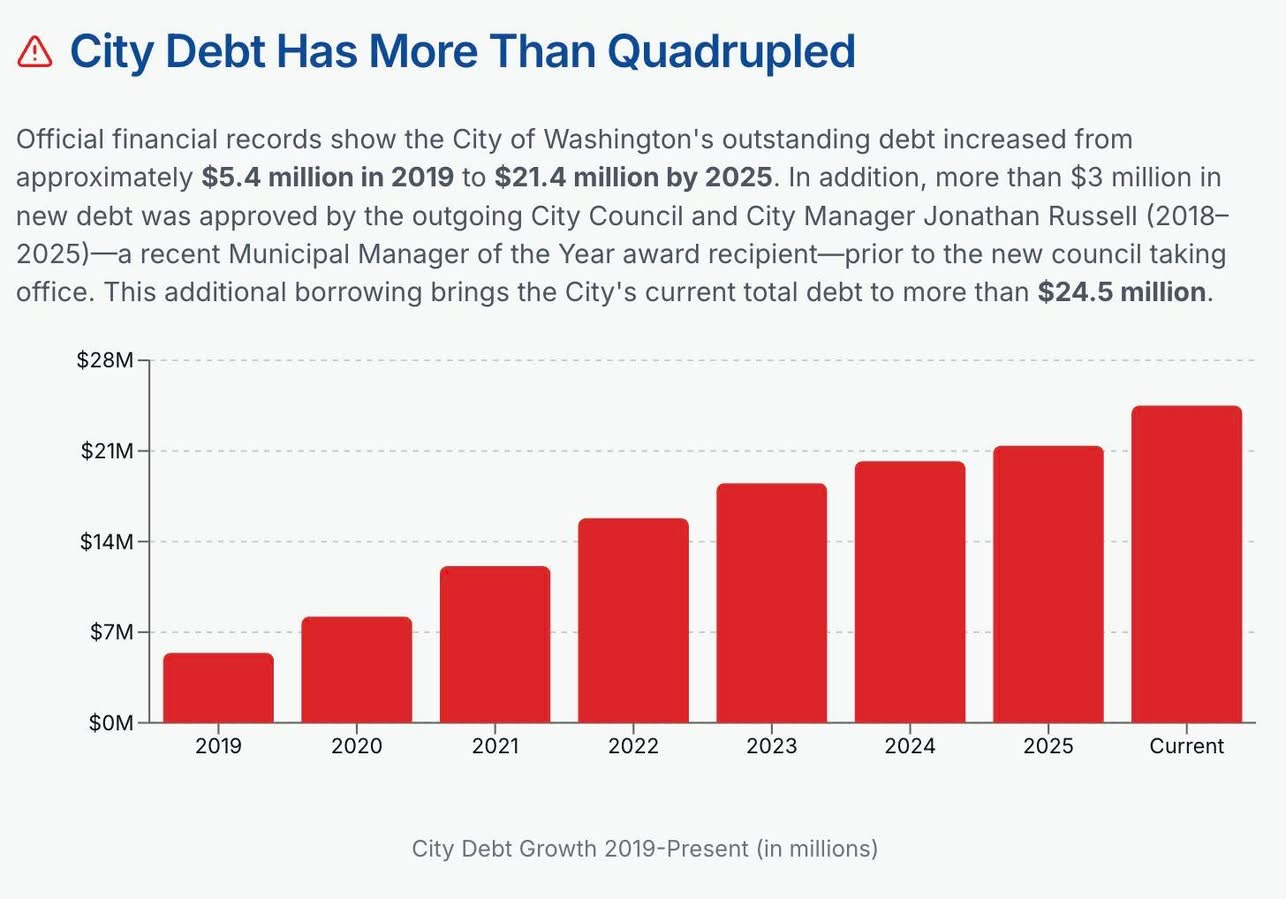
City debt has more than quadrupled since 2019, rising from roughly $5.4 million to over $24 million.
That’s not “a few projects;” that’s a structural shift, and a city borrowing future years to fund the present ambitions, and betting that tomorrow will be richer, bigger, and more stable than today.
But here’s the problem.
The community isn’t growing with it, so what if that doesn’t happen..?
Show Me The Money!!!
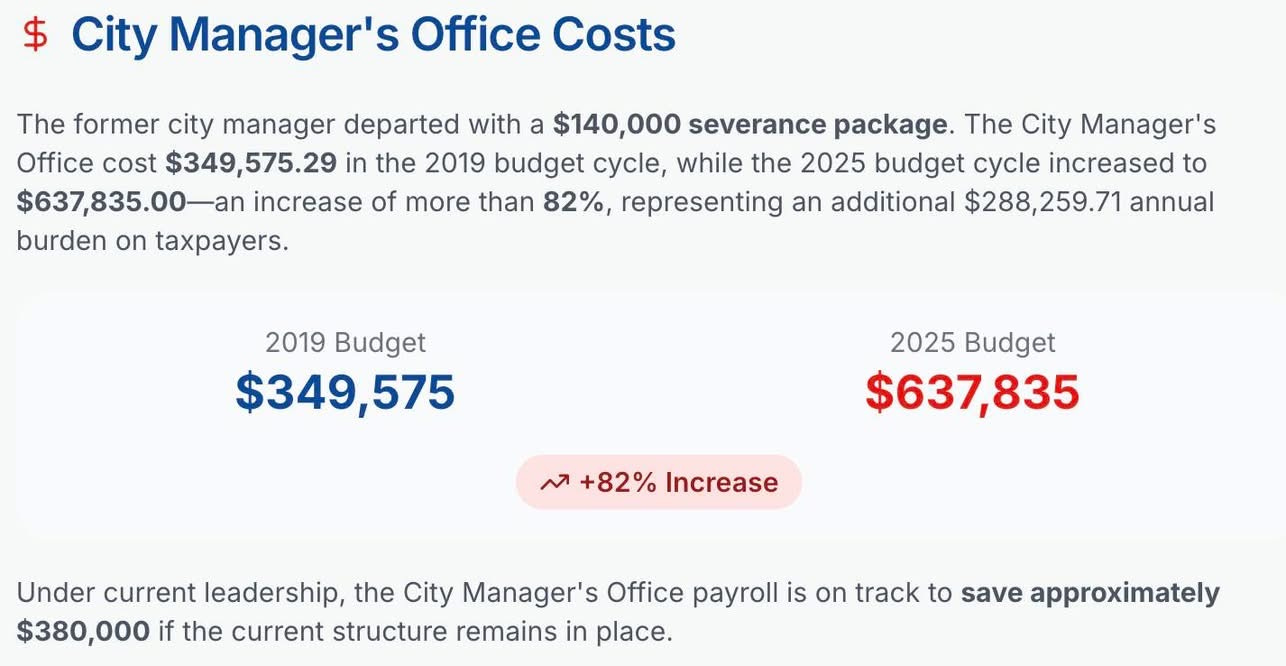
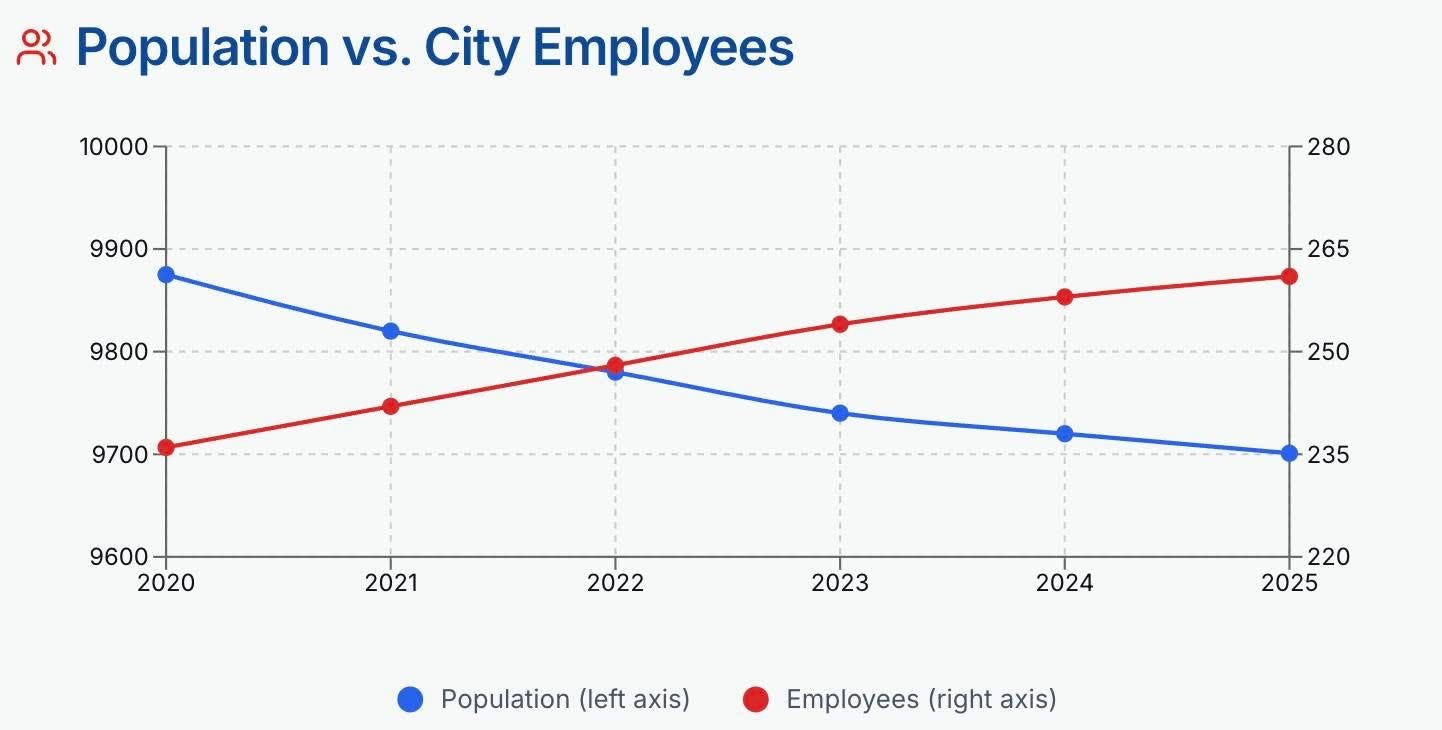
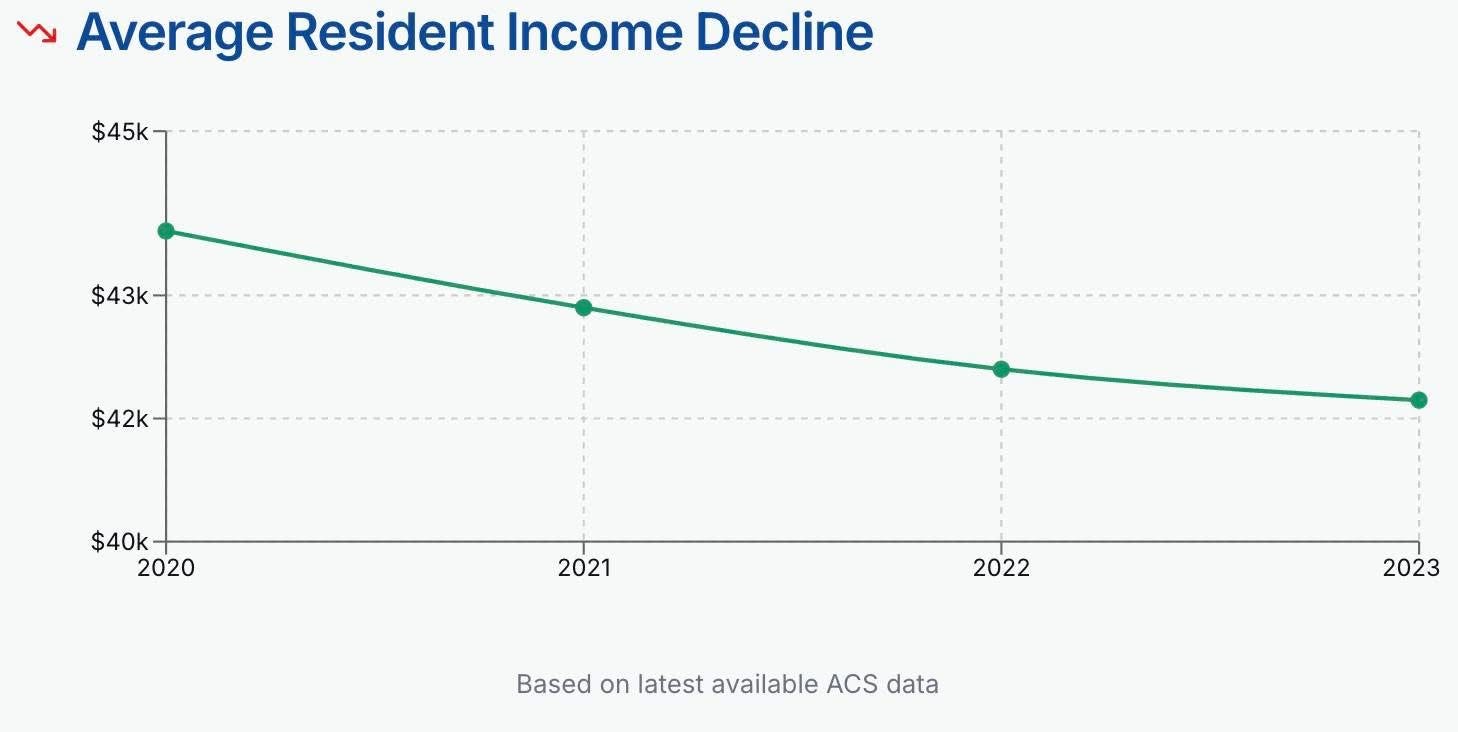
City payroll expenses have increased by more than 70%, climbing from about $9.8 million to nearly $17 million. During that same period, the city’s population declined and average resident income fell.
So what does that mean in plain English?
It means that fewer people earning less money are now supporting a larger, more expensive city operation.
That isn’t politics; that’s arithmetic, and I’m not even a math guy.
It gets even more uncomfortable when you zoom in on the gap between the people being governed and the people governing.
According to the numbers shown, the average payroll expense per city employee now exceeds the average Washington resident’s annual income by more than 55%. Think about what that creates psychologically, not just financially.
When the average city employee earns more than the average citizen, and those earning less are expected to happily fund those earning more, the government stops feeling like “public service” and starts feeling like an entirely separate social class.
I’m not saying city employees are bad people, but the system becomes insulated from the reality outside its doors, so the optics become, “Why should I care about you?” and when citizens start to turn on their fellow citizens, and governing positions, a mass exodus occurs, or trenches get dug in and nobody is willing to budge, leaving the city to fall to pieces in the stalement.
That’s where resentment comes from.
This issue here does not stem from personal hate, racism, or alignment with a specific political party vs the other (Dem vs GOP); the resentment that is going to arise will stem from a simple and very primal human feeling:
“I’m working harder, earning less, and somehow the system above me keeps getting bigger, and asking me to do more...”
Now, I’m not the expert here, let’s get that clear; I’m a man who works in Washington, NC, asking questions based on the information I came across on Facebook.
I’m not going to sit here and say there aren’t valid reasons for the staffing increases or that certain salaries aren’t deserved. I do believe the government is evil, but not necessarily all of its people.
Here is what I want you to understand, if nothing else, after reading this article: When government grows faster than its people, someone eventually pays.
And let’s be honest, it’s rarely the people in the offices and the meetings who pay first.
It’s the homeowner who gets squeezed by rising taxes.
It’s the small business owner who can’t absorb higher fees.
It’s the young family that looks at the cost of living and decides to move.
It’s the working man who watches infrastructure decay while payroll grows and wonders why everything feels harder than it used to.
Debt makes this worse because debt is a promise.
Borrowing money isn’t free.
It’s a decision that hands the next generation a bill and says, “Figure it out.” And in a city where population is shrinking and incomes are declining, debt becomes less like “investment” and more like a weight that the community drags behind it.
The other red flag in all of this is leadership cost expansion.
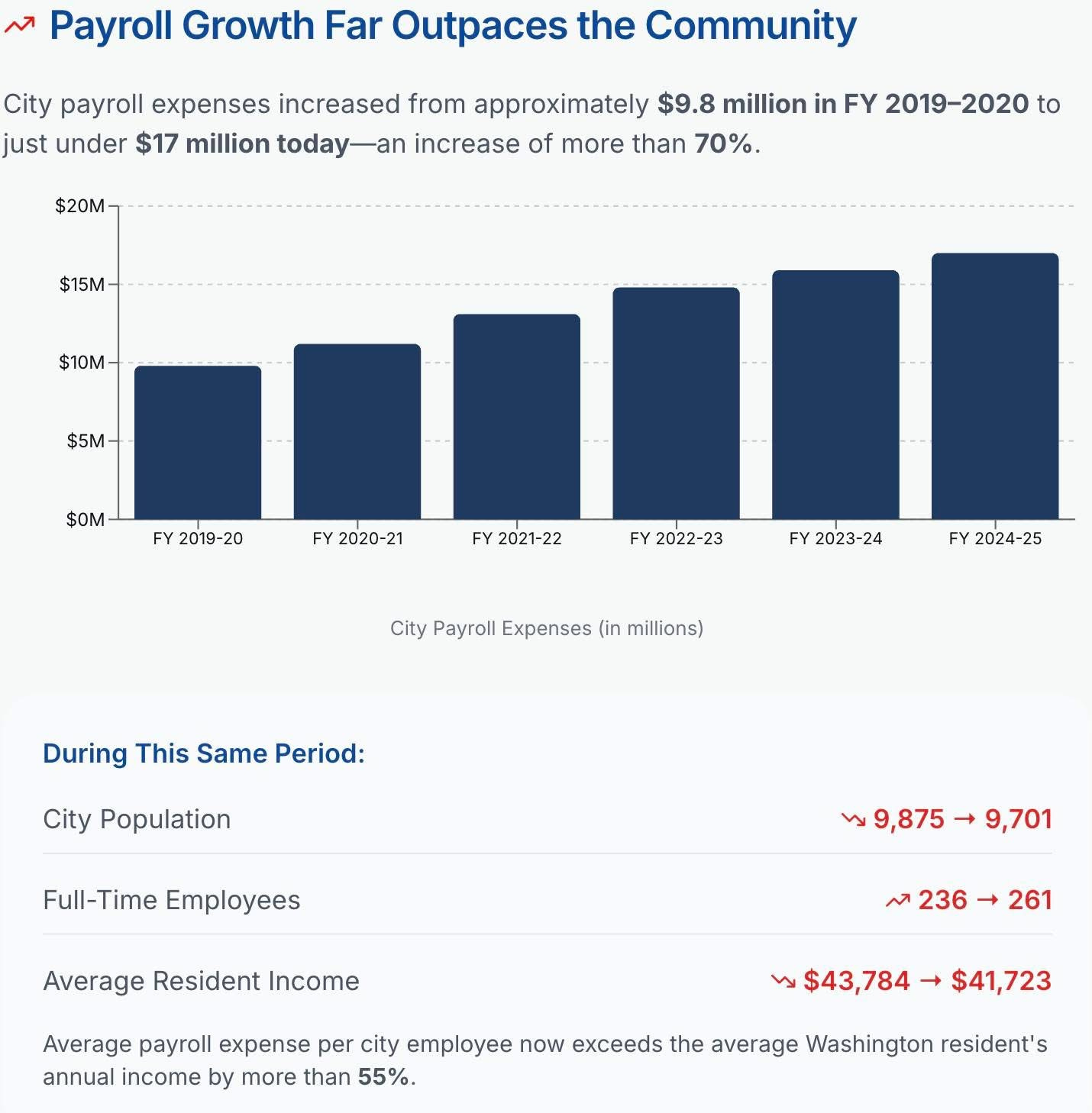
The City Manager’s office reportedly jumped from around $349,575 in the 2019 budget cycle to $637,835 by 2025, an 82% increase. Add in a $140,000 severance package, and you start to see what frustrates people.
People aren’t just jealous of the salaries, the government is too “behind-closed-doors” and citizens don’t feel like they are being invited into the explanation of where their money is going, or why.
The same report suggests the office is now on track to save around $380,000 under the current structure, which is good, but it also proves the obvious point:
The system can correct itself, but only after money is already gone.
So what’s the takeaway?
Screaming “corruption!” won’t fix anything.
Wanting to “burn it all down” is closer to the right answer, but it won't work until there is a mass collective agreement.
The “I’ll vote my guy in to fix it” is a ridiculous proposition, as everyone in government is the issue, not the solution.
The takeaway is both simple and more difficult:
Washington is drifting out of alignment with the people who fund it.
The numbers will continue to pull the city in the same direction until citizens push back with questions, clarity, and pressure.
If you live here, you don’t need to become an accountant overnight; you just need to stop letting technical language hypnotize you.
Ask basic questions:
What is the plan to reverse the drift?
Why is debt growing while incomes decline?
Why is payroll rising faster than the city’s population?
What outcomes are residents getting in exchange for this expansion?
Because if the answers aren’t clear, the future is.
Higher taxes, lower trust, fewer young families, a smaller middle class, and a city government that grows more expensive while the community grows more exhausted.
Nobody wants that.
But it’s exactly what happens when growth is occurring in the system while contraction is occurring in people, and sooner or later, someone pays.
If something isn’t done, who do you think will be left to foot that bill?
- Zachary Small